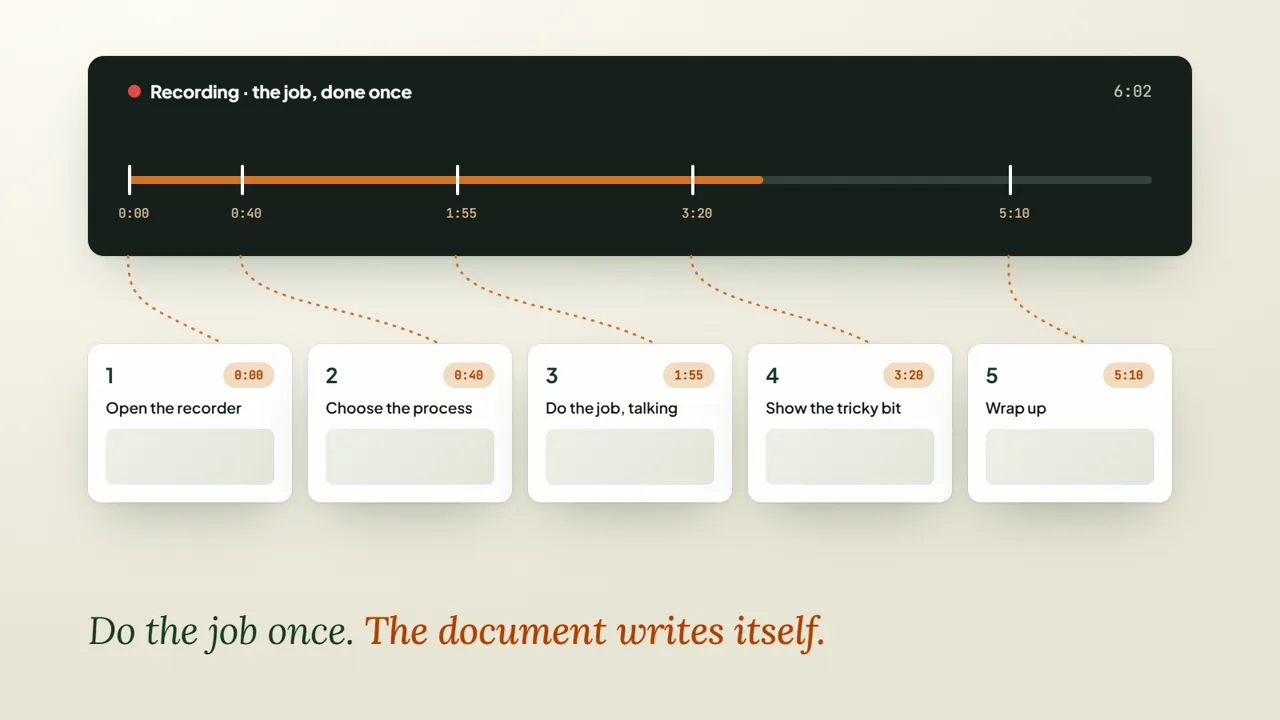
Two tools here. Neither is really a Splose feature. Both solve the same basic problem:
Getting something out of your head is often much easier when you can just say it.
Wispr Flow
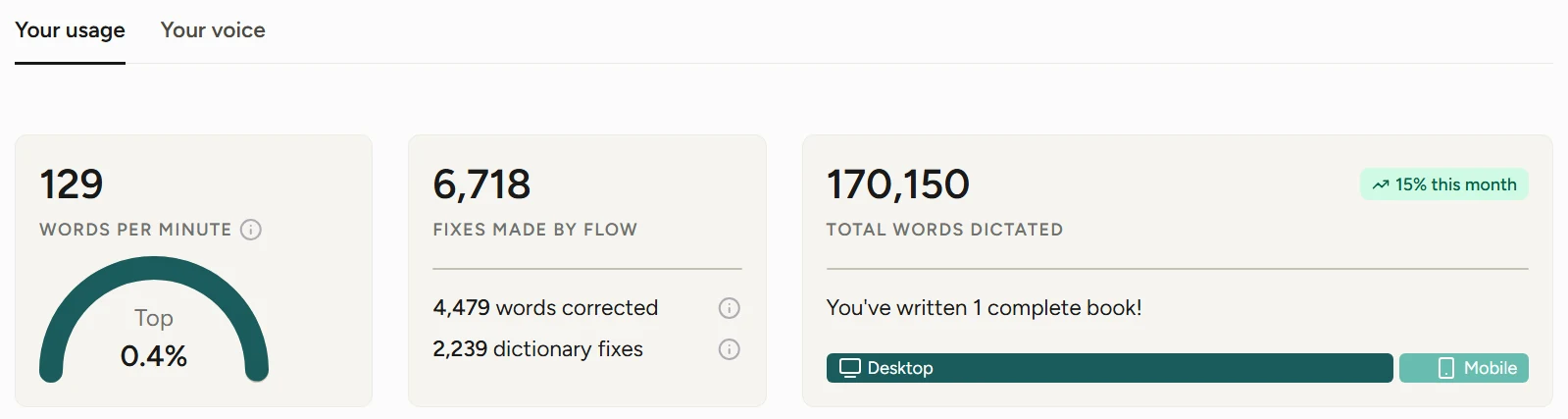
I use Wispr Flow for an embarrassing amount of my day now. Email. Messages. Prompts. Notes. Documents. Basically, if there's a cursor flashing somewhere on my computer, I can talk into it.
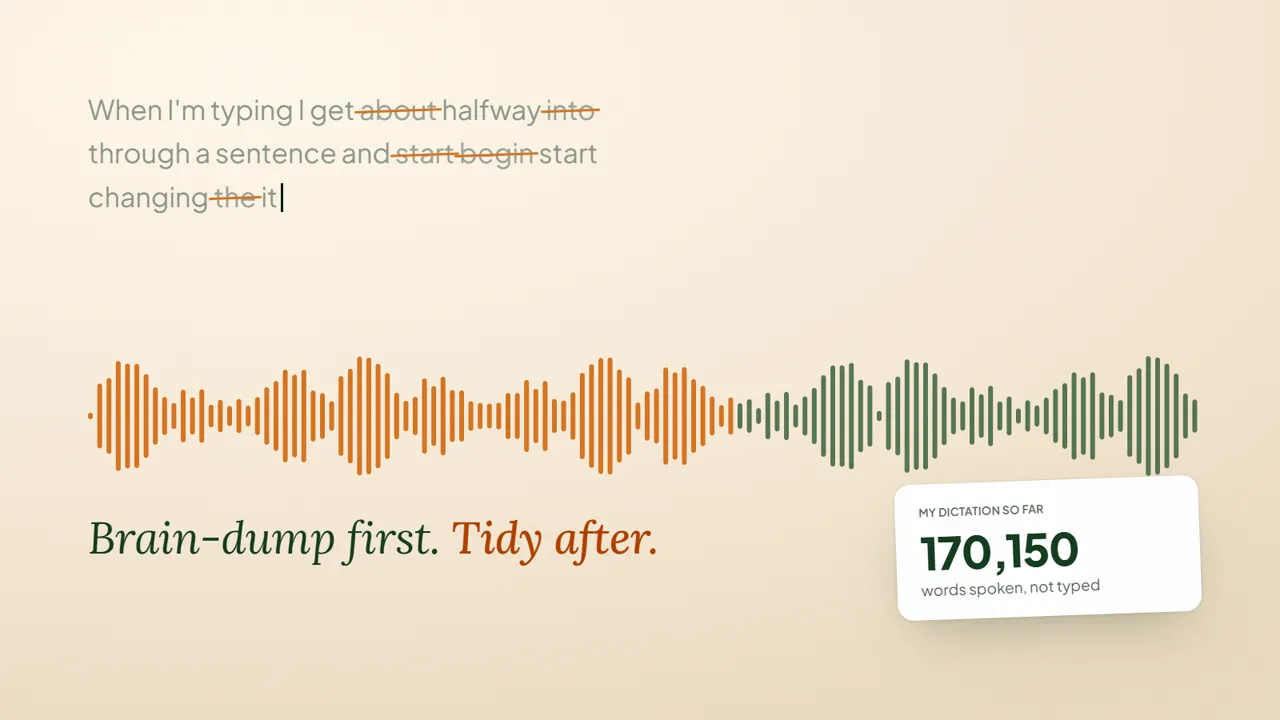
And strangely enough, the biggest benefit for me isn't even the raw speed. It's that I stop editing myself while I'm thinking. When I'm typing, I'll get halfway through a sentence and start changing it. Then I change the thing I just changed. Then I forget where I was going with the original thought.
Talking is different. I brain-dump the whole thing first, then I tidy it. That seems to suit the way my brain works considerably better. It feels odd at first, particularly sitting at a desk talking to your computer like it's a colleague who has stopped responding. You get over that surprisingly quickly.
On my Windows PC I hold a couple of keys and talk. On my phone there's a little floating button. There's not much more to it. I'm not affiliated with them and they're not paying me to tell you any of this. I just think it's one of those tools that solves a surprisingly obvious problem very well.
Plaud
Plaud solves a slightly different version of the same problem.
What about the notes you need to capture when sitting at a keyboard doesn't make sense?
Community-based clinicians are the obvious example. You finish a session. There's useful stuff in your head right now. Then you spend 20 or 30 minutes driving somewhere else, arrive at another appointment, do another session, then eventually try to remember everything at the end of the day. That gap between appointments is useful thinking time, but it's not laptop time.
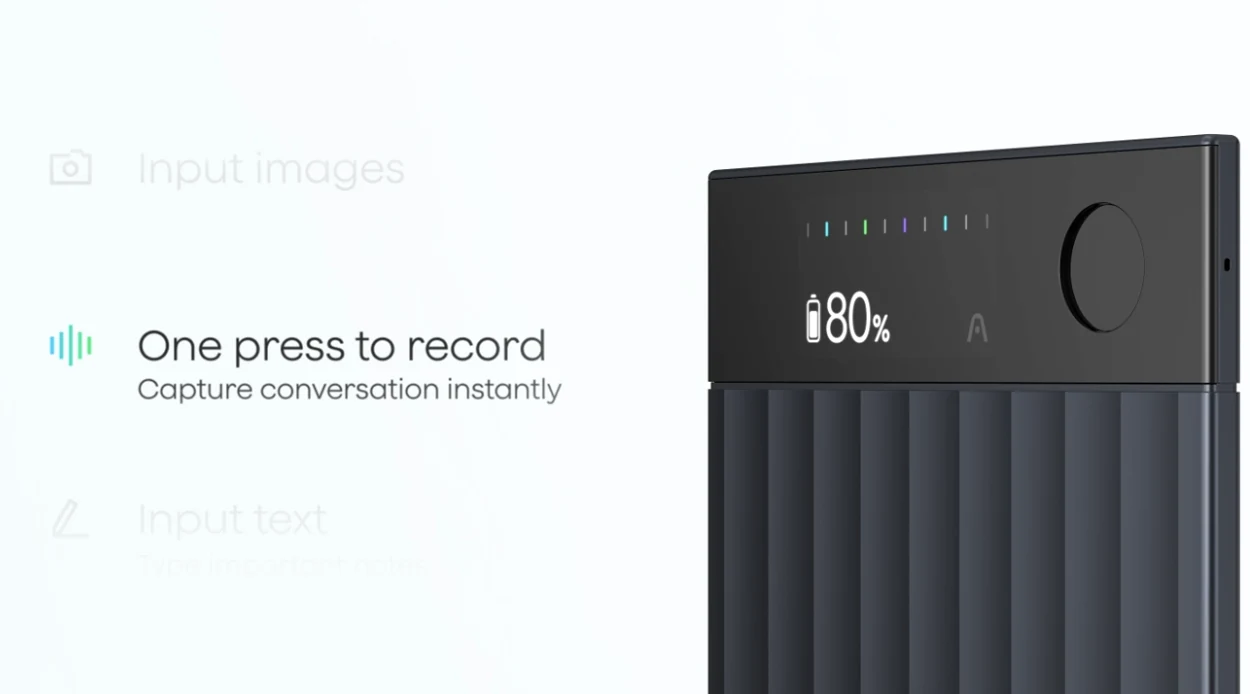
That's where we've found a dedicated recorder handy. Our clinicians can capture the substance of a note while it's fresh, then deal with the transcription properly once they're back at the clinic or home.
Then the relevant clinical information. Later, the transcription can be processed and moved into the appropriate place in Splose.
Plaud now also has business-focused options around data handling, but anything that might touch client information deserves your own privacy and security review before you introduce it into a clinic. I'm definitely not giving legal advice here.
And if you're actually recording a session rather than your own post-session notes, obviously make sure the people involved know they're being recorded and that your consent process covers it.
The tool isn't really the interesting bit here anyway. The question I'd ask is:
Where in your clinicians' day is information getting lost simply because capturing it is inconvenient?
Sometimes changing the way you capture the thought is easier than trying to carve out another half-hour of admin time.